
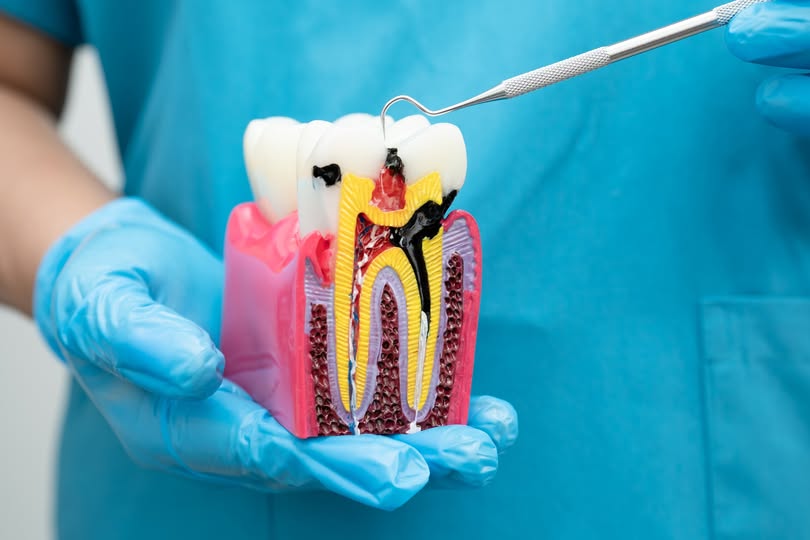
Demystifying the Procedure: What Really Happens During Root Canal Treatment?
Root canal treatment is one of the most misunderstood dental procedures. Many patients associate it with pain or discomfort, but modern dental techniques have made the process more comfortable and predictable. In fact, root canal treatment is designed to relieve pain, eliminate infection, and preserve a natural tooth that might otherwise require extraction. Understanding what happens during the procedure can help patients feel more confident about receiving necessary dental care.
Why Is Root Canal Treatment Necessary?
Inside every tooth is a soft tissue called the pulp, which contains nerves, blood vessels, and connective tissue. When bacteria enter this area through deep decay, cracks, or dental injuries, the pulp can become inflamed or infected.
Common warning signs include persistent toothaches, sensitivity to hot or cold temperatures, swollen gums, and discomfort when chewing. However, some infected teeth may not cause noticeable symptoms, making regular dental examinations essential.
Step 1: Examination and Diagnosis
Before beginning treatment, your dentist examines the affected tooth and may take dental X-rays to assess the roots and surrounding bone. This helps determine whether root canal treatment is appropriate and allows the dentist to plan the procedure.
Step 2: Numbing the Area
Local anesthesia is administered to numb the tooth and surrounding tissues. Patients generally remain awake during treatment but should experience minimal discomfort. A protective dental dam is typically placed around the tooth to keep the treatment area clean and dry.
Step 3: Removing the Infected Pulp
The dentist creates a small opening in the tooth to access the pulp chamber and root canals. Specialized instruments are then used to carefully remove damaged or infected tissue.
The canals are cleaned, shaped, and disinfected to reduce bacteria and prepare the tooth for sealing.
Step 4: Filling and Sealing the Tooth
Once the canals have been thoroughly cleaned, they are filled with a biocompatible material, commonly gutta-percha, and sealed to help prevent reinfection.
Depending on the tooth's condition, treatment may require one or multiple appointments.
Step 5: Restoring and Protecting Your Tooth
Following root canal treatment, the tooth usually requires a permanent filling or dental crown to restore its function and protect it from further damage.
Some temporary sensitivity is possible afterward, but this generally improves as the surrounding tissues heal. Following your dentist's instructions supports recovery.
Protect Your Natural Smile with Islington Dental Clinic
Root canal treatment can help preserve your natural tooth, maintain chewing function, and prevent further complications.
The Professional and highly skilled team from Islington Dental Clinic is here to help with your dental needs. If you are experiencing tooth pain or suspect an infection, contact Islington Dental Clinic to schedule an examination and discuss your treatment options.
Why Is Root Canal Treatment Necessary?
Inside every tooth is a soft tissue called the pulp, which contains nerves, blood vessels, and connective tissue. When bacteria enter this area through deep decay, cracks, or dental injuries, the pulp can become inflamed or infected.
Common warning signs include persistent toothaches, sensitivity to hot or cold temperatures, swollen gums, and discomfort when chewing. However, some infected teeth may not cause noticeable symptoms, making regular dental examinations essential.
Step 1: Examination and Diagnosis
Before beginning treatment, your dentist examines the affected tooth and may take dental X-rays to assess the roots and surrounding bone. This helps determine whether root canal treatment is appropriate and allows the dentist to plan the procedure.
Step 2: Numbing the Area
Local anesthesia is administered to numb the tooth and surrounding tissues. Patients generally remain awake during treatment but should experience minimal discomfort. A protective dental dam is typically placed around the tooth to keep the treatment area clean and dry.
Step 3: Removing the Infected Pulp
The dentist creates a small opening in the tooth to access the pulp chamber and root canals. Specialized instruments are then used to carefully remove damaged or infected tissue.
The canals are cleaned, shaped, and disinfected to reduce bacteria and prepare the tooth for sealing.
Step 4: Filling and Sealing the Tooth
Once the canals have been thoroughly cleaned, they are filled with a biocompatible material, commonly gutta-percha, and sealed to help prevent reinfection.
Depending on the tooth's condition, treatment may require one or multiple appointments.
Step 5: Restoring and Protecting Your Tooth
Following root canal treatment, the tooth usually requires a permanent filling or dental crown to restore its function and protect it from further damage.
Some temporary sensitivity is possible afterward, but this generally improves as the surrounding tissues heal. Following your dentist's instructions supports recovery.
Protect Your Natural Smile with Islington Dental Clinic
Root canal treatment can help preserve your natural tooth, maintain chewing function, and prevent further complications.
The Professional and highly skilled team from Islington Dental Clinic is here to help with your dental needs. If you are experiencing tooth pain or suspect an infection, contact Islington Dental Clinic to schedule an examination and discuss your treatment options.