
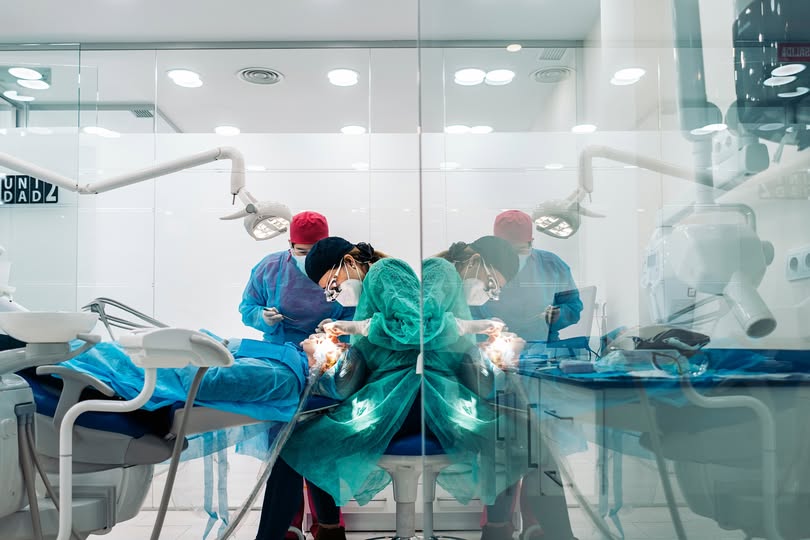
What Happens During a Comprehensive Dental Examination?
Regular dental examinations are essential for maintaining healthy teeth, gums, and overall oral health. While brushing and flossing at home are important, professional dental checkups help identify potential problems before they become more serious. At Islington Dental Clinic, our experienced dental team provides comprehensive examinations to assess your oral health, address concerns, and recommend personalized treatment options.
1. Reviewing Your Dental and Medical History
A comprehensive dental examination typically begins with a review of your medical and dental history. Your dentist may ask about existing health conditions, medications, previous dental treatments, and any symptoms you have experienced.
This information helps your dental team understand your individual needs and identify factors that could affect your oral health or treatment options.
2. Examining Your Teeth and Gums
During the examination, your dentist carefully evaluates your teeth for signs of cavities, cracks, wear, or damaged restorations. Existing fillings, crowns, and other dental work may also be assessed.
Your gums are examined for inflammation, bleeding, recession, and other signs of periodontal disease. Early identification of gum problems can help prevent complications and support long-term oral health.
3. Checking for Oral Health Abnormalities
A comprehensive dental examination also includes an assessment of the soft tissues inside your mouth. Your dentist may examine your tongue, cheeks, lips, palate, and throat for unusual changes.
An oral cancer screening may be performed to identify suspicious lesions or abnormalities that require further evaluation. Early detection plays an important role in addressing potentially serious oral health conditions.
4. Taking Dental X-Rays When Necessary
Dental X-rays provide valuable information about areas that cannot be fully examined visually. They can help identify hidden cavities, bone loss, impacted teeth, infections, and other concerns.
Your dentist will determine whether X-rays are necessary based on your dental history, symptoms, age, and individual risk factors.
5. Evaluating Your Bite and Jaw Function
Your dentist may assess how your upper and lower teeth fit together and check for signs of teeth grinding, uneven wear, or jaw joint problems.
Identifying these issues can help determine whether additional evaluation or treatment may be beneficial.
6. Discussing Your Results and Treatment Recommendations
After completing the examination, your dentist explains the findings and discusses any recommended treatments or preventive measures.
You may receive personalized guidance regarding brushing, flossing, nutrition, professional cleanings, and future dental appointments.
Schedule Your Dental Examination at Islington Dental Clinic
Maintaining a healthy smile starts with consistent preventive care. Comprehensive dental examinations help detect potential concerns early and support better long-term oral health.
The professional and highly skilled team at Islington Dental Clinic is here to help with all your dental needs. Contact us today to schedule your comprehensive dental examination and take an important step toward a healthier, more confident smile!